


by: Farhad Divecha
First Page Listings On Google Even More Important
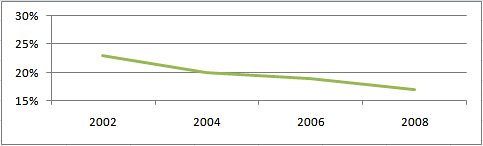
A study conducted by Jupiter Research in April 2008, proves quite conclusively that the number of users who looked at only the first few results or the first page of search engine results increased between 2002 and 2008, while those looking at the second, third or further pages reduced in number.
The series of graphs below explain these findings one by one:
More searchers limit themselves to the 1st page
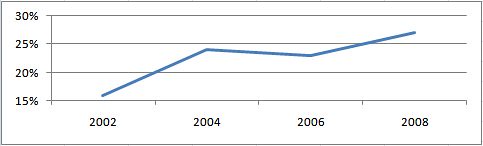
The percentage of searchers viewing only a few of the results has gone up quite dramatically, emphasizing the need for websites to rank within the top 3 results, or above the fold, rather than just anywhere on the first page.
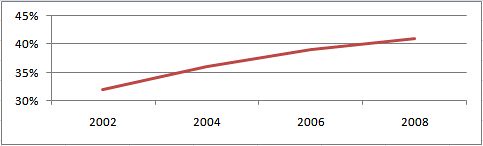
A much higher percentage of searchers limited themselves to just the 1st page of the search engine results in 2008 than they did in 2002. This could be due to shorter attention spans, but is more likely to be due to the reduction in spam on organic search results and the improved quality of search results through the introduction of features such as universal search.
In all likelihood, the contributing factors are a mix of both. While search results have improved in quality, users have become much more impatient, and move from one page to another very quickly. This is backed up by the second finding in the study – 26% of searchers try a new search query after viewing just the first page of results, up from 14% in 2002.
Fewer searchers look at the 2nd or further pages
Correspondingly, the percentage of searchers looking at the first two pages has fallen:
As has the percentage of searchers looking at the first three pages:
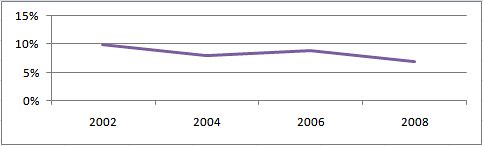
Search marketing professionals need to take note of this finding. There are two important factors to keep in mind:
- Differentiation has become even more important now
- Using all means available has also become extremely important.
Marketing professionals can use a variety of assets available to them in the digital library, such as video, audio and images, and put them up on the web site where appropriate. Having multimedia on site would in itself give websites an edge over the competition, in addition to the possibility of showing up in the ‘blended results’ on universal search.
Apart from competing with other organic search results, advertisers will also need to consider using new paid search strategies that are now available, such as video ads in Google search, to improve the users awareness of their brand.
About the Author

Farhad is the Group CEO of AccuraCast. With over 20 years of experience in digital, Farhad is one of the leading technical marketing experts in the world. His specialities include digital strategy, international business, product marketing, measurement, marketing with data, technical SEO, and growth analytics.