


by: Stefano Roberti and Jérôme Bergerou
Expanding Your Sports Brand Into New Global Territories
Ambitious sports organisations rarely find sufficient and efficient growth by merely increasing spend in existing markets. Bigger opportunities often lie in acquiring fans, attracting sponsors and creating new revenue streams in countries where awareness remains low but demand is growing. Accuracast is a sports digital marketing agency with a specialist focus on international growth. In this article, we’ll share insights and strategies from our experts.
The challenge most organisations face is that success in one market does not automatically translate to another. Fan behaviour, media consumption, languages and regulations vary significantly even within economically and politically unified regions like Europe or the USA.
What does it take to expand a sports brand into new markets?
A successful cross-border sports business expansion strategy typically requires:
- market research and audience analysis
- international sports marketing expertise
- a global fan acquisition strategy
- content localisation
- creation of culturally relevant fan experiences
- market-specific media planning
- partnerships with local athletes, teams, governing bodies
- compliance with local advertising and sponsorship regulations.
Localising fan experiences for foreign markets
 Successful localisation for international markets involves adapting language, content, fan engagement strategies, partnerships, digital experiences and media campaigns to each country’s audience expectations.
Translation doesn’t stop at text. It should include imagery, cultural references, formats and payment preferences. Where audience size justifies the investment, social media channels should also be localised.
Brands can stay relevant by building country-specific content calendars aligned with local holidays, sporting seasons and cultural events.
Read our guide on content marketing strategies for sports betting.
Paid media can be used to deliver geo-targeted messaging. Merchandise, promotional offers and ticketing can then be tailored to local purchase behaviour.
We recommend scaling video creative by partnering with local influencers and athletes to build trust and brand loyalty in the market.
Overcoming cultural & regulatory barriers
Expansion strategies that succeed in one country, often fail when cultural norms, media consumption and sports preferences aren’t taken into account. It’s important for all sports brands to recognise that just because they’re wildly popular in one market, does not guarantee everyone beyond their core fanbase in a new market will know who they are.
 We strongly recommend researching fan behaviours, preferred channels, and any advertising restrictions in each market. Regulatory restrictions on betting operators, fantasy sports platforms, sponsorship and even how sports leagues and organisations operate can vary significantly from one country to another.
Additionally, data privacy and consumer protection laws must be taken into account when tracking user behaviour and handling fan data. In Europe, GDPR is important and fairly well known. Beyond Europe, similar legislation such as PIPEDA in Canada, CPRA in California and PIPL in China, impose privacy and consent requirements that must be followed or businesses risk serious fines.
Meta and Google have vast reach, but in certain markets – especially China – these platforms have very low penetration compared to local apps like WeChat, Xiaohongshu, IQ and Weibo. Review our China go-to-market recommendations to learn more.
Review our international market entry checklist to ensure you’ve covered all your bases.
Case Study: Expanding DCL in multiple markets simultaneously
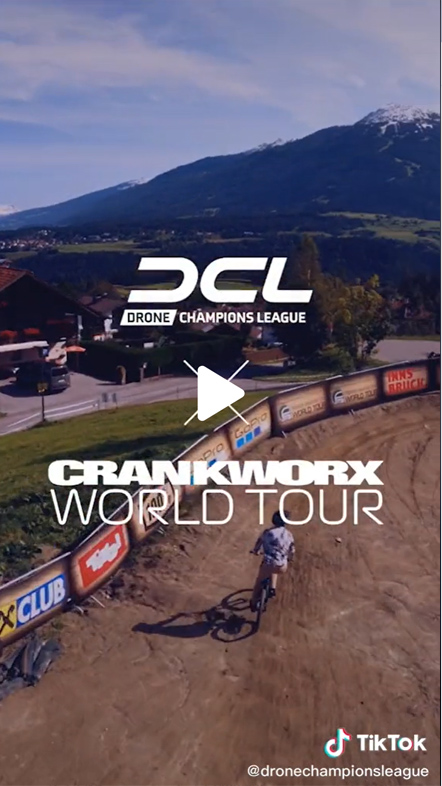 When the Drone Champions League launched DCL – The Game, the challenge was raising awareness across several continents without creating separate marketing operations.
Our strategy was to develop a centralised brand framework with branded collateral that could be easily localised and adapted to meet individual market preferences.
Digital channels – ranging from SEO to Twitch and Reddit to Baidu – were prioritised to reach fans efficiently and convert them into buyers of the game. Drone racing communities were identified in each market and on each channel to prioritise core audiences.
The result? A global sports marketing strategy that engaged 30 million fans across the globe, 2.2 million Twitch streams that enabled esports sponsorship activations, and the brand entered multiple new markets where latent demand existed, but events had never been held. Read the full DCL case study.
Summary
Expanding into new international markets can unlock new audiences, sponsorship opportunities, and long-term revenue growth for sports organisations. But success relies on more than just replicating a domestic strategy abroad. Partnering with a specialist digital marketing agency for sports brands is one way to navigate cultural and regulatory differences while creating locally relevant fan experiences. Remember, successful international expansion requires balancing global brand consistency and market-specific execution.
About the Authors

Stefano is a digital marketing consultant at AccuraCast, in charge of developing and executing effective digital marketing strategies to help clients achieve their business goals. His specialities include analysing data, digital strategy planning and teamwork.

Jérôme is the International Director at AccuraCast. A multilingual digital marketing specialist, with a very strong background in data and finance, Jérôme has previously worked at Euromoney and Geosys, where he did number-crunching for NASA.